
Native Americans & Columbus
At AntiTextbook.org, we have curated the best active learning lesson plans for American History Teachers. We have sifted through the resources on amazing free sites like Stanford History Education Group (S.H.E.G.), Gilder Lehrman, and Facing History and Ourselves. We’ve picked the best activities and given you a brief description. You could skim through these sites yourself and read each of the 15-page activity descriptions. Or you can let us do the work of searching and synthesizing for you.
Each box below contains a lesson. The icons under each image tell you if the lesson contains primary sources, secondary sources, research, group work, a writing assignment, videos, or games. The description tells you which free site the lesson comes from, what grade levels it is intended for, how much class time it will take, and how much reading is required. We've added a word or two about the remote-readiness of each lesson. Click the orange button at the bottom of each box for more information on the lesson.
Lessons on this page are about British Colonies in America. We have divided the Activities into 2 categories:

Native
Americans
Native Americans
Each of the teaching ideas below pertain to Native Americans before the arrival of Christopher Columbus. Each teaching idea appears in its own box. And each box indicates where the resources if from, the recommended grade level, whether it's remote ready, how long it will take, the length of the reading, and the link to the resource. To learn more about it, click the box.


Lesson: Jigsaw
How and When Did People Originally Come to the Americas?
From: James W. Loewen's Book Teaching What Really Happened,
Chapter 6
Grade Level: (HS), (College)
Remote Ready: With Modifications
Time: 1-2 Class Periods
Length of Reading: Pages
Link: None


Movie: YouTube
Marie's Dictionary
From: Global Oneness Project
Grade Level: (MS), (HS), (College)
Remote Ready: Yes!
Time: 9 min
Length of Reading: None
Link: Marie's Dictionary


Lesson: Primary Sources
Native American Creation Stories
From: Exploring US History
Grade Level: College is specified but we think it would be great for high school students too.
Remote Ready: With Modifications
Time: 1 Class Period
Length of Reading: Paragraphs
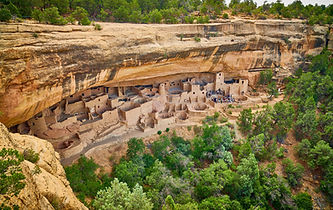
Lesson: Act it Out
Indigenous Americans in the Archaic Period
From: Cult of Pedagogy
Grade Level: (HS), (College)
Remote Ready: With Modifications
Time: 1-2 Class Periods
Length of Reading: Pages

Columbus and
Contact
Columbus and Contact
Each of the teaching ideas below pertain to Native Americans before the arrival of Christopher Columbus. Each teaching idea appears in its own box. And each box indicates where the resources if from, the recommended grade level, whether it's remote ready, how long it will take, the length of the reading, and the link to the resource. To learn more about it, click the box.


Lesson: Mock Trial
Mock Trial: Was Columbus Guilty of Genocide?
From: Zinn Education Project
Grade Level: MS, HS, (College)
Remote Ready: With Modifications
Time: Depends Upon Which Parts You Choose
Length of Reading: Depends on which method you choose for imparting background material

Lesson: Primary Sources
How Did Spanish Conquistadors Treat Native Americans?
From: Digital History
Grade Level: (HS), College
Remote Ready: With Modifications
Time: 1 Class Period or Less
Length of Reading: Paragraphs


Movie: YouTube
Columbian Exchange
From: Parlay Universe
Grade Level: (MS), (HS), (College)
Remote Ready: Yes!
Time: 1 Class Period or Less
Length of Reading: Paragraphs
Link: Columbian Exchange

Movie: Hit the Library
Guns, Germs, and Steel. Episode 2: "Conquest"
From: National Geographic
Grade Level: (MS), (HS), (College)
Remote Ready: Maybe
Time: 63 min
Length of Reading: None
Link: None

Lesson: Many Options
An Early History of Slavery (African and Indigenous)
From: SPLC Learning for Justice
Grade Level: MS, HS, (College)
Remote Ready: With Modifications
Time: Depends Upon Lesson
Length of Reading: Pages
Citations for large images (smaller images are cited on the lesson plan's individual page):
Digitally altered image of Sebastiano del Piombo's Portrait of a Man, Said to be Christopher Columbus. "Blinking Columbus," by Katie Cumpsten, 7 July 2025.
Smith, John, and William Hole. Virginia. [London, 1624] Map. Library of Congress, www.loc.gov/item/99446115/.
Guilane-Nachez, "Ch. Columbus : Discovering America - year 1492." AdobeStock 87151234, 7 July 2025, https://stock.adobe.com/images/ch-columbus-discovering-america-year-1492/87151234?prev_url=detail.